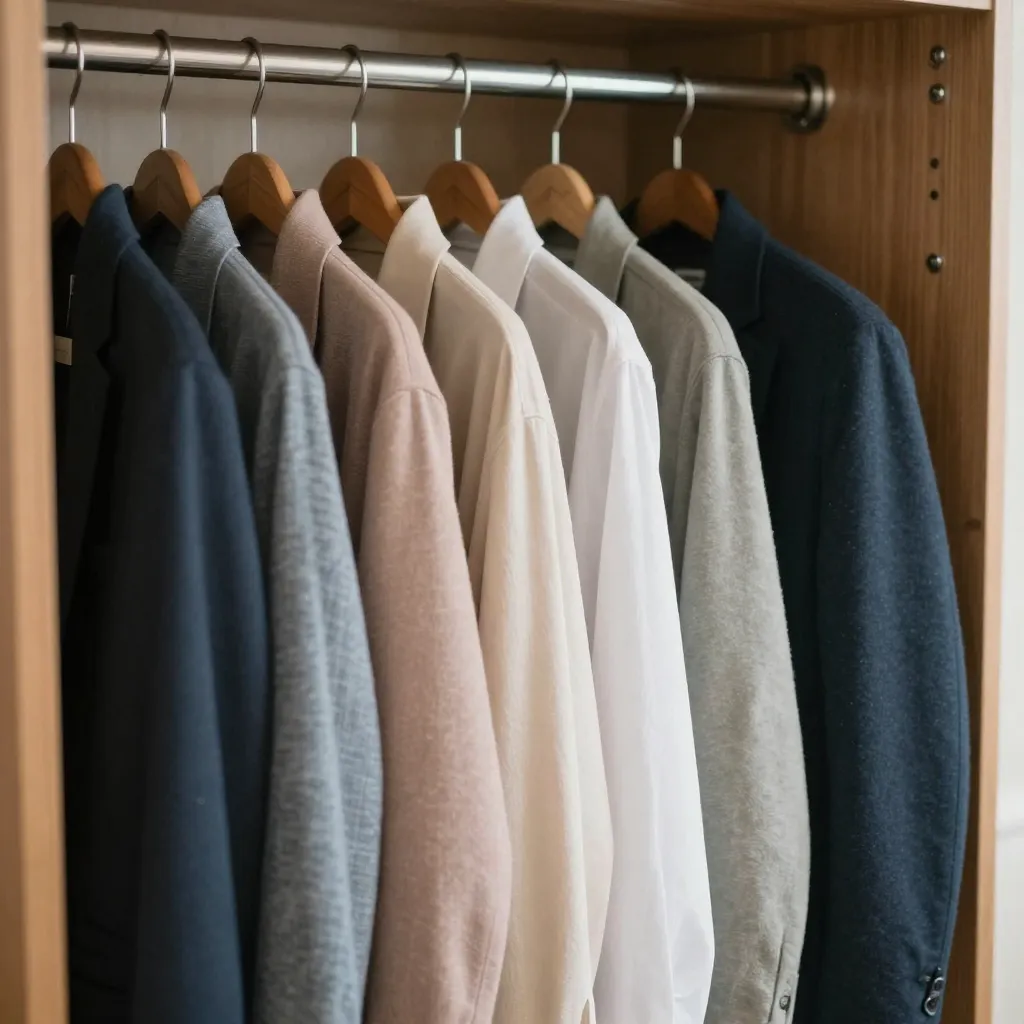
Material Science & Color Interaction
Understanding how specific colors react to different fabric textures and material compositions
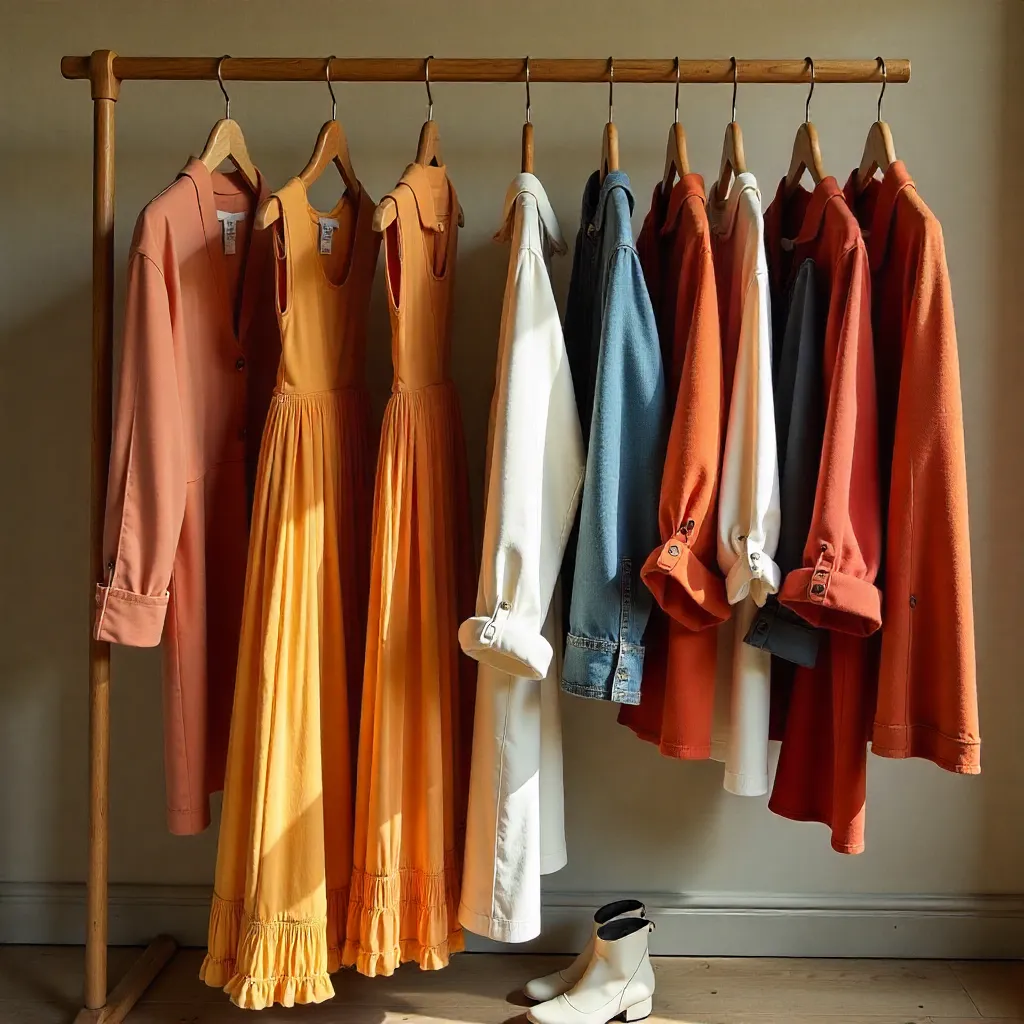
Silk Texture Response
Analysis of how colors interact with silk's reflective surface properties, creating depth and luminosity variations
Reflectance: 85-92% | Color Shift: +5% saturation
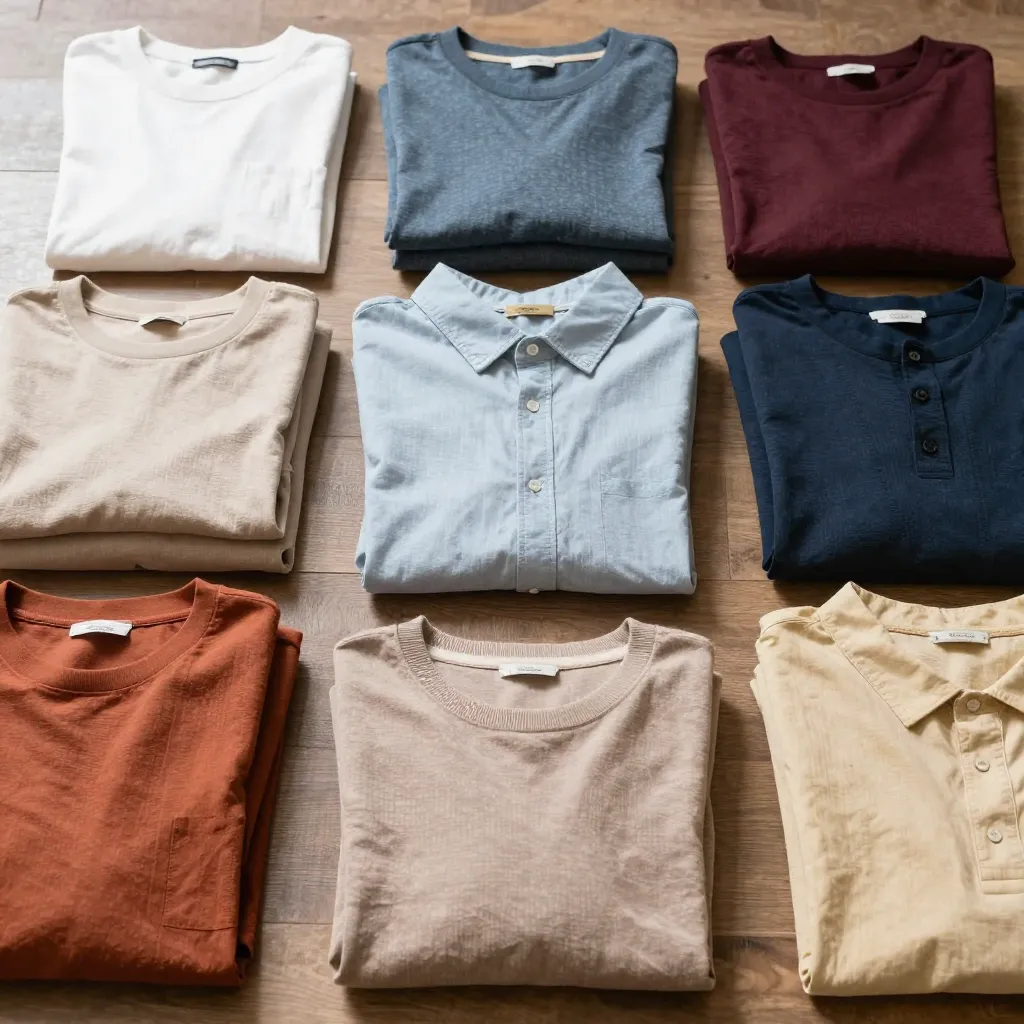
Technical Tech-Wear
Modern synthetic materials and their color absorption characteristics in various lighting environments
Absorption: 12-18% | UV Response: High

Wool Fiber Analysis
How natural wool fibers interact with color pigments, creating matte finishes and texture depth
Texture Depth: 3.2mm | Color Retention: 94%
Fabric Texture Categories
Comprehensive classification system for material properties and color compatibility
Reflective Surfaces
Materials with high light reflectance including silk, satin, and metallic fabrics that enhance color vibrancy
Matte Finishes
Textiles with low reflectance such as cotton, wool, and linen that provide color stability and depth
Synthetic Blends
Technical fabrics combining multiple fiber types for optimized color performance and durability
Performance Materials
Advanced textiles engineered for specific environmental conditions and color retention properties
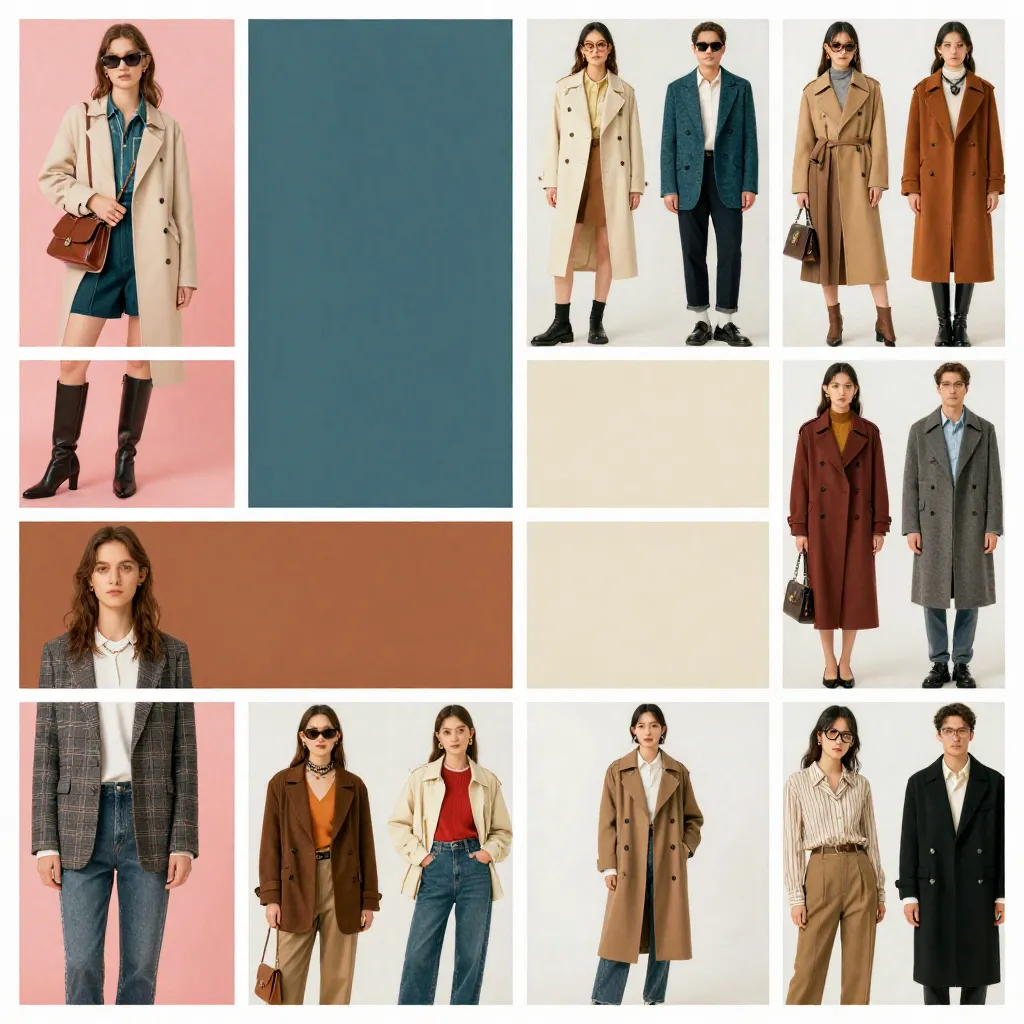
Macro Texture Analysis
Detailed examination of fabric surfaces and their impact on color perception and visual coherence
Color-Material Compatibility Matrix
Scientific data on optimal color and texture combinations for maximum visual impact
Cool Tones + Reflective
Cool color palettes paired with reflective materials create depth and luminosity, ideal for formal configurations
Warm Tones + Matte
Warm color schemes with matte textures provide stability and sophistication for everyday configurations
Neutral Palette + Technical
Neutral colors combined with technical fabrics create versatile, high-performance aesthetic configurations
Explore Material Science
Learn how texture and color interact in your wardrobe configuration